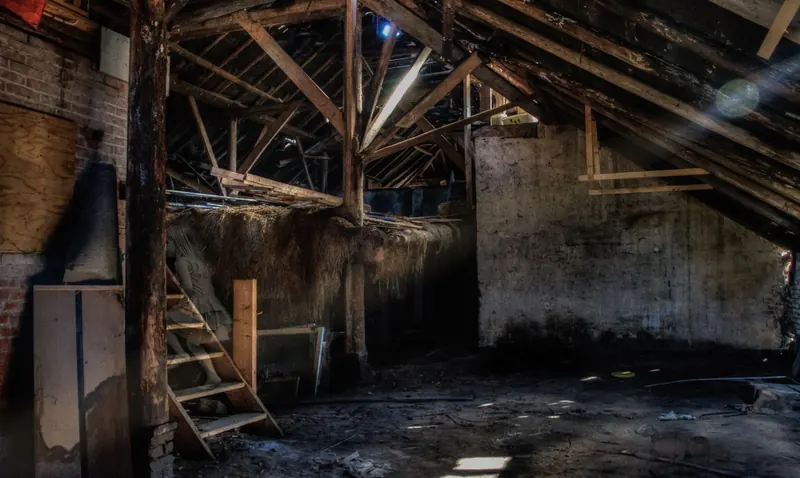
Wood Framing Mold Removal (Joists, Studs, Rafters)
Wood framing mold removal clears growth from studs, rafters and joists, allowing the structure to dry out before sealing.
See wood framing mold removal (joists, studs, rafters)Your plan for dry ice blasting mold removal in Agoura Hills should cover surface suitability, containment, cleanup and moisture control.
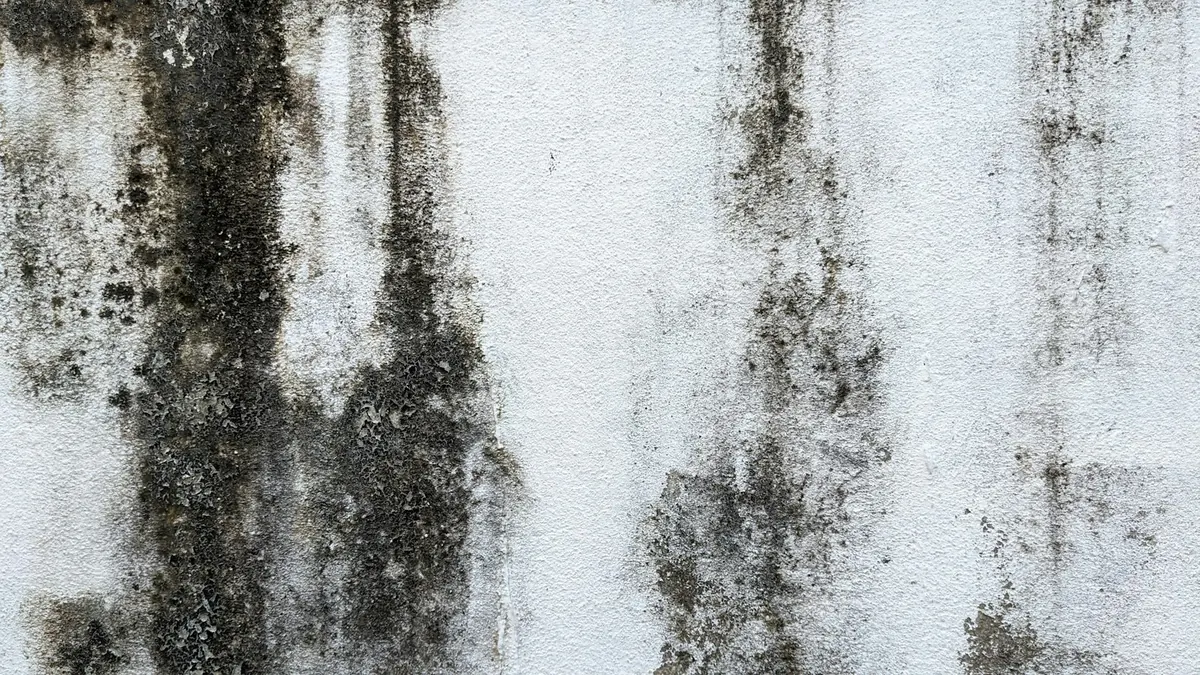
Suitable surfaces are blasted with soda or dry ice media driven by compressed air.
Dry ice turns into gas upon impact. Dislodged particles still need HEPA vacuum cleaning.
A test area comes first when considering media blasting instead of sanding on exposed joists, studs and rafters.
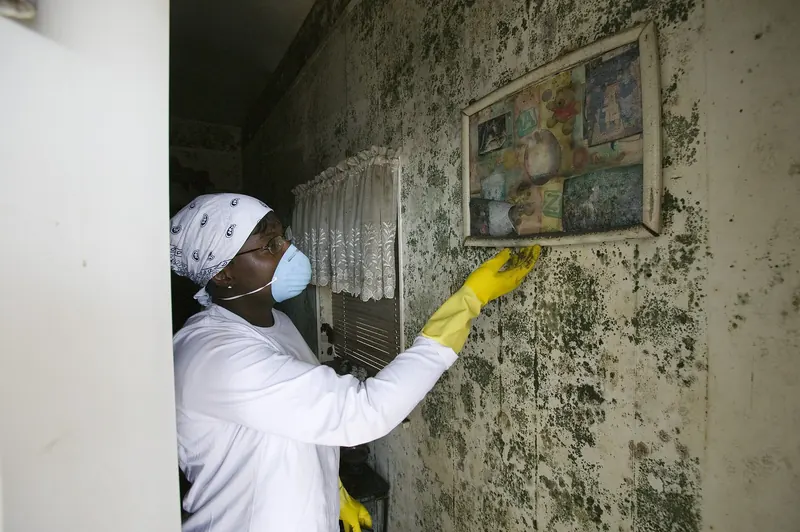
Choose an independent assessor, rather than the removal company, to perform clearance.
Ask when moisture readings permit repairs and how the water intrusion will be corrected.
Safe placement of exits, hoses, negative air equipment and poly sheeting should be part of the plan.
Media, dust control, affected materials, drying, cleanup and repairs should appear in the written scope of work.
Blasting can suit sound material that is exposed and allows thorough cleaning and drying.
Salvageable framing may become visible after drywall removal. Remove porous material that cannot be saved.
Irregular framing may suit blasting when the wood is sound and accessible.
Roof framing may be eligible once leaks, ventilation issues or condensation are corrected.
Stained wood may be cleaned by baking soda blasting, although the pressure can alter the finish.
Keep growth undisturbed until containment is ready. When safe to do so, shut off the water source.
Call (844) 352-3560For mold treatment, Fixr gives dry ice a $1,400 to $2,000 range per job. The Fixr sandblasting guide also gives a range per square foot of 3.5 to 5 dollars for general dry ice blasting. Soda blasting has an hourly range of $45 to $75 in that guide. These two general blasting amounts are not mold specific.
No site visit was used for these ranges, which are drawn from published national cost guides. Your property price is set after an on-site assessment and should be explained before work starts.
Ask about cost: (844) 352-3560If a sudden water event is covered, homeowners insurance may pay for related work. The cause and your policy determine coverage.
A burst pipe may differ from a long-term leak, condensation or neglected maintenance.
California's Toxic Mold Protection Act includes a landlord written-disclosure section (Health and Safety Code 26147). By its own wording it applies only after the state adopts mold exposure standards, and the state health department has said it could not set them. Keep clearance records, the work scope, invoices and moisture readings.
Under California's housing law, visible mold found by a health officer or code enforcement officer can make a rental substandard. Renters can contact their local health or code enforcement department to ask for an inspection. Save leak notices, repair messages and photos.
Ask if the event and blasting method qualify, as well as what records are needed.
Decisions about moisture and the material come before surface cleaning, which requires controls for released particles.
Damp material can be found with a moisture meter. Mold cannot be identified with a thermal imaging camera.
Poly sheeting isolates the work zone, and negative air pressure is maintained through HEPA filtration.
If cleaning and drying are impossible, remove carpet, insulation and drywall. Ceiling tile must also go.
Testing an area helps determine whether to use hand cleaning, soda or CO2 pellets.
Structural wood is cleaned by compressed air while HEPA filtration collects the particles released.
Clean framing and non-porous surfaces by HEPA vacuum. Use of a dehumidifier may aid drying.
Rebuilding should follow a moisture content check. Clearance testing should be completed by an independent assessor.

Call whenever you need. A dry ice and soda blasting mold removal specialist answers, talks through what you are seeing and explains the next steps.
Spores and debris can be spread by compressed air when the area is not isolated.
Incorrect settings may harm wiring, finishes and soft wood. Wear protective equipment.
A HEPA air scrubber and poly sheeting help maintain negative air pressure.
When used baking soda settles in cavities, a HEPA vacuum is needed for cleaning.
Can you clean it yourself? EPA says an area under about 10 square feet can often be cleaned by the homeowner after the water fix. Get professional help for contaminated water, sewage, HVAC growth or larger areas.
After cleaning, sound surfaces may remain. Porous materials with damage may not remain.

California has no state license or certification for mold assessors or remediators, according to the California Department of Public Health. General construction work above a small dollar amount does need a license from the Contractors State License Board (CSLB), so it is worth checking a contractor's license there and asking about their mold training. Ask what permits are needed for rebuilding or demolition.
Correct the water problem. Within 24 to 48 hours, dry damaged areas to prevent mold growth.
No federal limit exists for indoor mold. A clear purpose and inspection context are necessary for sampling.
The California Department of Public Health (CDPH) Air Quality Section publishes mold and dampness guidance and a mold FAQ. CDPH says visible mold, dampness, and mold odor are unhealthy and should be fixed, and that routine mold testing is not needed when mold is visible. Find out about the requirements governing removal and repairs.
The schedule depends on surface area, access, drying, cleanup, containment and moisture repair. Work is not scheduled until after inspection.
The full dry ice and soda blasting mold removal guide covers what is cleaned or removed, odor and air quality work, and the rules that apply in California and Los Angeles County.
Read the full dry ice and soda blasting mold removal guidePlanning for moisture control, containment and mold cleanup can be influenced by local humidity, housing and property access.
Only 18 percent of homes in Agoura Hills are renter occupied, so many residents may be able to arrange leak repairs and mold removal directly for their own property.
The median home in Agoura Hills was built in 1979, so plumbing joints, roof penetrations, insulation, and lower level moisture should be checked when mold appears.
With 87 percent single-family housing, moisture may travel from a roof, foundation, or plumbing line into hidden areas beyond the first room showing mold.
With 14 percent of seniors living alone, regular checks under sinks and around ceilings can still help reveal moisture before mold spreads behind materials.
During your call, ask whether mold cleanup is available in surrounding communities and ZIP codes.
Wood framing mold removal clears growth from studs, rafters and joists, allowing the structure to dry out before sealing.
See wood framing mold removal (joists, studs, rafters)
Attic mold removal clears growth from insulation, rafters and roof sheathing while identifying the underlying airflow issue or leak.
See attic mold removal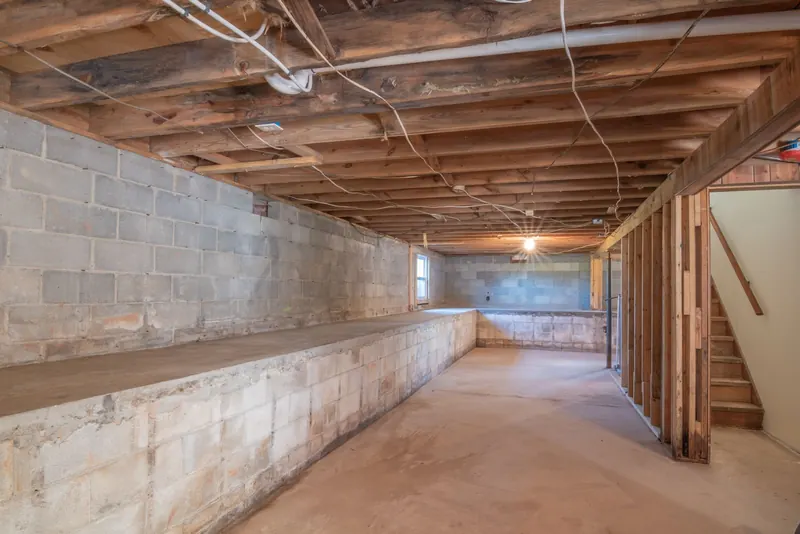
Basement mold removal cleans mold from walls, floors, framing and stored items in damp basements and addresses the moisture behind it.
See basement mold removal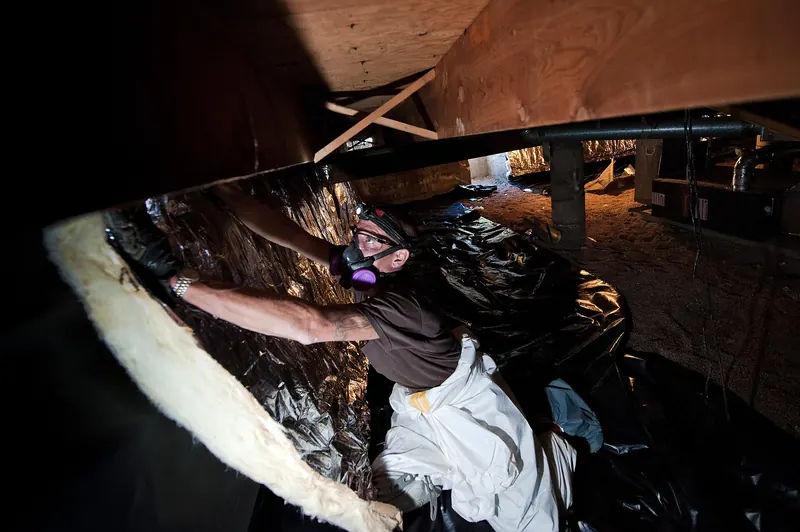
Crawl space mold removal includes cleaning joists, insulation and subfloor and correcting the damp conditions feeding the growth.
See crawl space mold removal
Wall and drywall mold removal opens the affected surface, removes damaged drywall and cleans framing within the wall before replacement.
See wall and drywall mold removal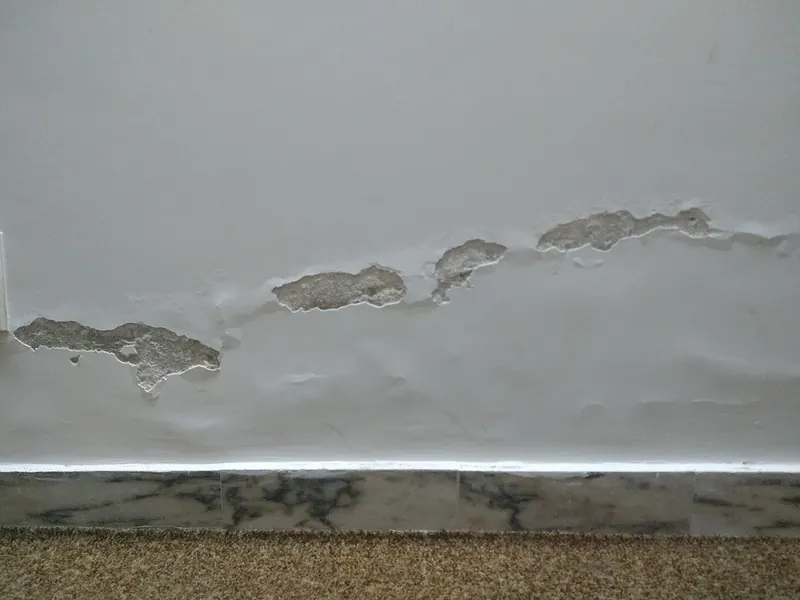
Hidden mold remediation locates and clears hidden mold behind wall surfaces, beneath flooring and over ceilings where it is out of view.
See hidden mold remediation (behind walls)
After removal, mold clearance testing combines air sampling with visual examination to confirm cleanliness in the affected area.
See mold clearance testing
This page explains what affects mold removal cost, such as the size of the area, the materials involved and any repairs needed.
See mold removal costBecause no federal indoor mold limit exists, air sampling is not automatic. If verification includes sampling, the plan should explain how results will be used. After full moisture correction, final cleaning and drying, an independent assessor should conduct clearance.
Drywall removal may be in the scope, but its replacement could be separate. Growth inside drywall prevents blasting from restoring the material. Ask who removes and rebuilds the wall, whether mold-resistant drywall suits the room and which moisture readings must be met first.
Soda blasting uses baking soda media. Dry ice uses CO2 pellets that change into gas after impact. Spent media remains after soda blasting. Both methods release debris, so containment, negative air pressure, HEPA vacuum cleaning and a final surface check remain important.
It may remove visible mold growth on suitable, sound surfaces, including exposed wood framing. It does not constitute the entire remediation process. Containment and HEPA filtration remain necessary, as do unsalvageable material removal, moisture-source correction, detailed cleanup and drying.
The Fixr listing for dry ice mold treatment is $1,400 to $2,000 per job. Your scope is determined by area, cleanup, access, containment and material removal, plus surface suitability for the method. Use the national range as a planning reference, not as a price for your property.
Sound studs, sheathing, joists and rafters may be cleaned when each wood surface is suitable. Inspection needs to identify any wood that cannot be retained. A clean-looking surface may remain damp, so take moisture readings and correct the water problem to keep growth from returning.
Get calm, practical guidance about dry ice and soda blasting mold removal, with calls answered 24 hours a day.