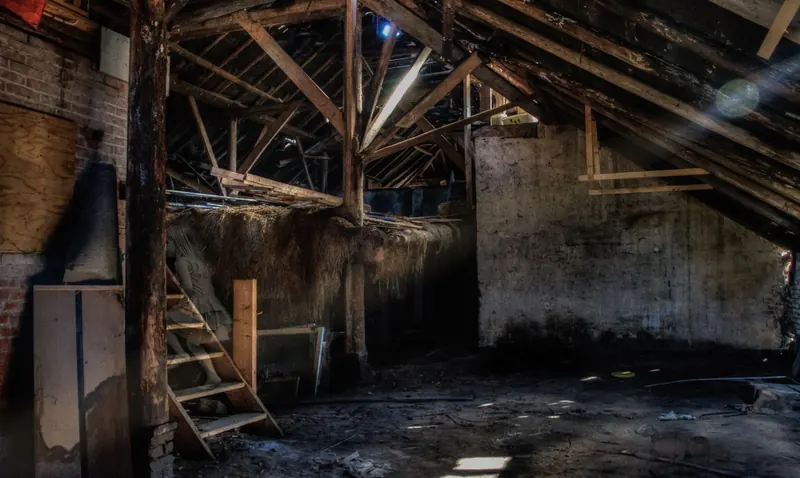
Attic Mold Removal
Attic mold removal clears growth from insulation, rafters and roof sheathing while identifying the underlying airflow issue or leak.
See attic mold removalPlan mold in insulation work in Agoura Hills. Cover the moisture source, containment, removal, cleaning, drying and replacement.
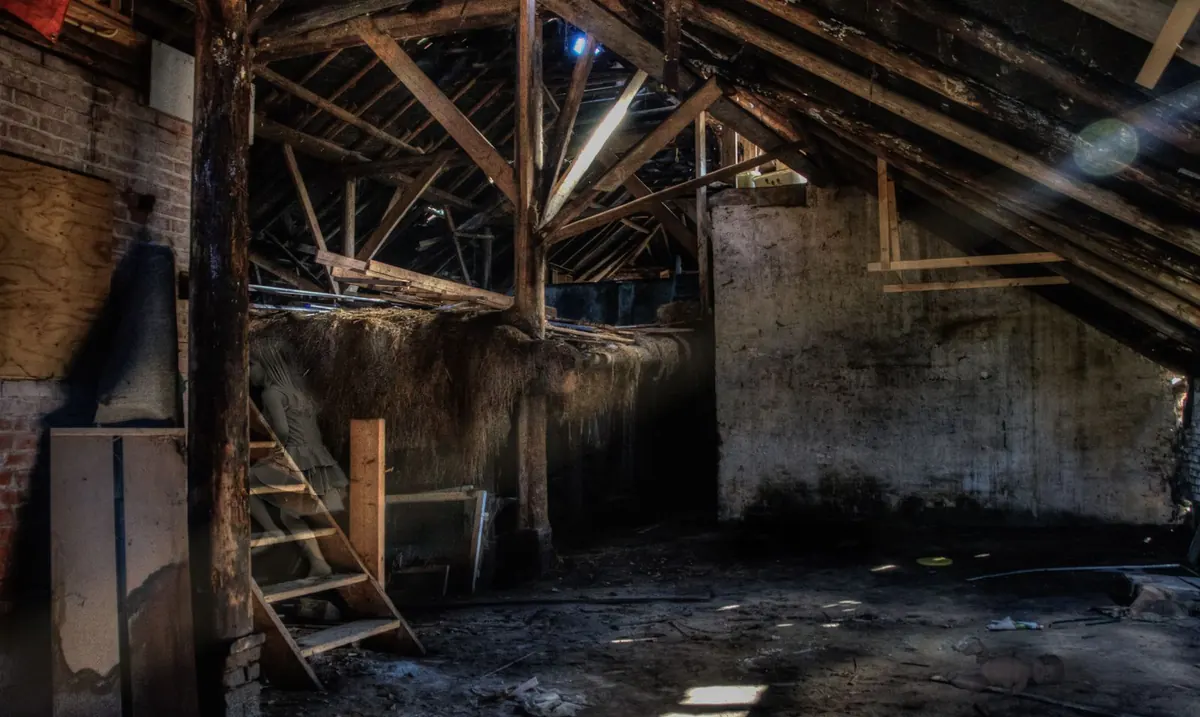
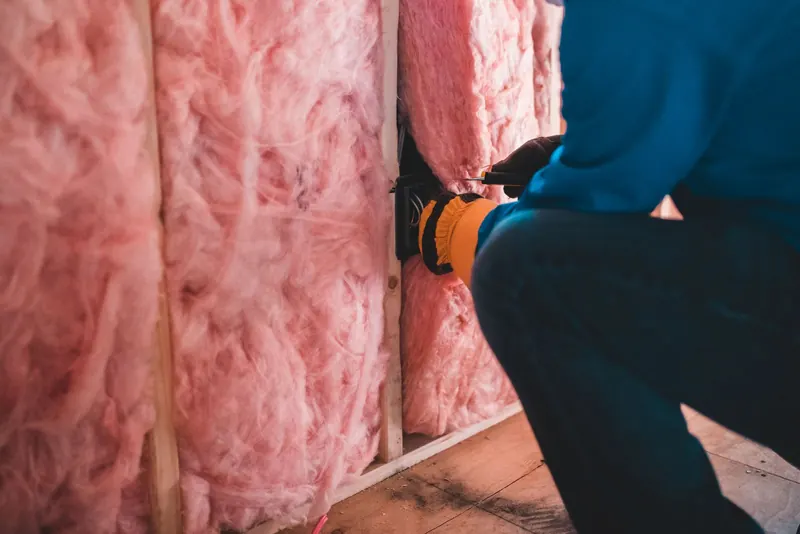
Affected porous insulation is taken out first. Exposed surfaces are then cleaned, and the cavity is allowed to dry before new insulation goes in.
Wood or drywall may stay damp when nearby insulation consists of fiberglass, cellulose or paper-faced batts.
A complete scope should name the area and moisture source, plus planned containment, cleanup, drying and repairs.
Use an independent assessor after cleaning and before reconstruction.
Check for details about replacement, repair, disposal, drying, cleaning and access.
Ask which areas need containment and how waste stays sealed while leaving.
Find out how the moisture source will be fixed and how drying will be verified.
Controlled removal may be warranted when you find stains, a musty odor or visible mold:
Peeling paint, soft drywall or stains may justify moisture readings and limited access.
How risky mold is cannot be determined from color. Base your response on moisture and affected materials.
Loose fill may conceal the damp boundaries. Taking material out reveals sheathing and insulation baffles.
Sheathing stains may reveal the water route. Complete roof repairs before you close the attic.
First, shut off the water if you can do so safely. Do not disturb the material:
Call (844) 352-3560This service has no public range. The $1,000 to $4,000 attic mold removal figure from This Old House relies on Angi data. Fixr gives $1,500 to $9,000. For related figures rather than a property quote, PushLeads names BUK Restoration and Angi as its sources.
The figures are published national cost guide ranges, not results of a property visit. An on-site assessment determines the price for your property, and you should receive an explanation before the work begins.
Ask about cost: (844) 352-3560Coverage may apply when the event is sudden and covered. Insurers often exclude ongoing leaks, neglected upkeep and condensation, and the policy may include a mold sublimit.
California's Toxic Mold Protection Act includes a landlord written-disclosure section (Health and Safety Code 26147). By its own wording it applies only after the state adopts mold exposure standards, and the state health department has said it could not set them. Save photos, the scope, readings, clearance results and repair records.
Your coverage may distinguish a sudden pipe break from condensation or a long-term roof leak.
Make a prompt event report. Ask about the cause, sublimit, photos and inspection.
Under California's housing law, visible mold found by a health officer or code enforcement officer can make a rental substandard. Renters can contact their local health or code enforcement department to ask for an inspection. Keep dated photos, leak reports and access messages.
First address the source of moisture. The final stage is leaving the cavity clean and dry.
Materials are checked with a moisture meter. Thermal imaging detects patterns without confirming mold.
Use negative air pressure with poly sheeting to keep the work area contained.
Set up the entry route, protective equipment and closed containers before moving anything.
For disposal, seal any impacted cellulose, fiberglass or blown-in insulation.
Surfaces are cleaned by HEPA vacuuming and damp wiping. Cleaning is still required when antimicrobial treatment is used.
Air movers work with a dehumidifier to support drying. Use moisture readings to guide reconstruction.
Confirm cavity conditions before replacement. Have clearance testing performed by an independent assessor.

Call whenever you need. An insulation mold removal specialist answers, talks through what you are seeing and explains the next steps.
Cleaning porous insulation is difficult. Particles can move during disturbance, and hidden moisture may continue beyond.
A dry edge does not prove covered framing is dry. Verify moisture readings.
Water may reach materials beyond the stain. Follow where water traveled when making openings.
Exposure to mold can trigger symptoms of allergies and asthma. Risk is greater for sensitive people.
Can you clean it yourself? According to EPA, homeowners can often clean an area under about 10 square feet. Closed cavities, larger areas, HVAC involvement and contaminated water call for professional help.
Remove wet, porous materials. Fully cleaned and dried surfaces may remain if they are sound.

California has no state license or certification for mold assessors or remediators, according to the California Department of Public Health. General construction work above a small dollar amount does need a license from the Contractors State License Board (CSLB), so it is worth checking a contractor's license there and asking about their mold training. Ask your local office about permits for demolition, rebuilding and electrical access.
Correct the water problem. To prevent mold growth, dry items and areas damaged by water within 24 to 48 hours.
No federal indoor mold limit exists. The inspection should center on affected materials and moisture.
The California Department of Public Health (CDPH) Air Quality Section publishes mold and dampness guidance and a mold FAQ. CDPH says visible mold, dampness, and mold odor are unhealthy and should be fixed, and that routine mold testing is not needed when mold is visible. Ask about rules for demolition, insulation replacement and construction.
How long it takes varies with square footage, access, repair of the source and drying. Ask for the work order after the inspection.
The full insulation mold removal guide covers what is cleaned or removed, odor and air quality work, and the rules that apply in California.
Read the full insulation mold removal guideProperty access, local housing conditions and humidity may affect how you plan mold cleanup, containment and moisture control.
Only 18 percent of homes in Agoura Hills are renter occupied, so many residents may be able to arrange leak repairs and mold removal directly for their own property.
The median home in Agoura Hills was built in 1979, so plumbing joints, roof penetrations, insulation, and lower level moisture should be checked when mold appears.
With 87 percent single-family housing, moisture may travel from a roof, foundation, or plumbing line into hidden areas beyond the first room showing mold.
With 14 percent of seniors living alone, regular checks under sinks and around ceilings can still help reveal moisture before mold spreads behind materials.
Your call can include questions about mold cleanup availability in close-by communities and ZIP codes.
Attic mold removal clears growth from insulation, rafters and roof sheathing while identifying the underlying airflow issue or leak.
See attic mold removal
Wall and drywall mold removal opens the affected surface, removes damaged drywall and cleans framing within the wall before replacement.
See wall and drywall mold removal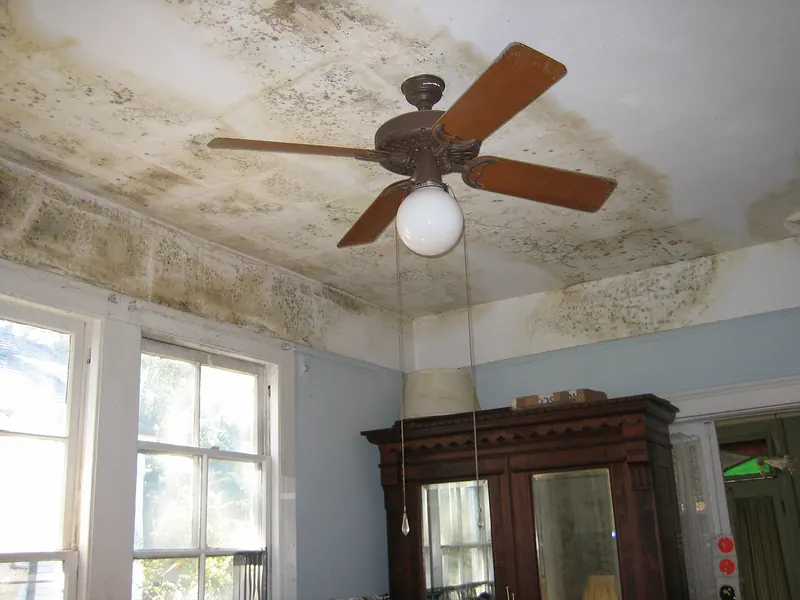
Ceiling mold removal replaces or cleans affected ceiling drywall and locates the roof leak, pipe leak or excess humidity above it.
See ceiling mold removal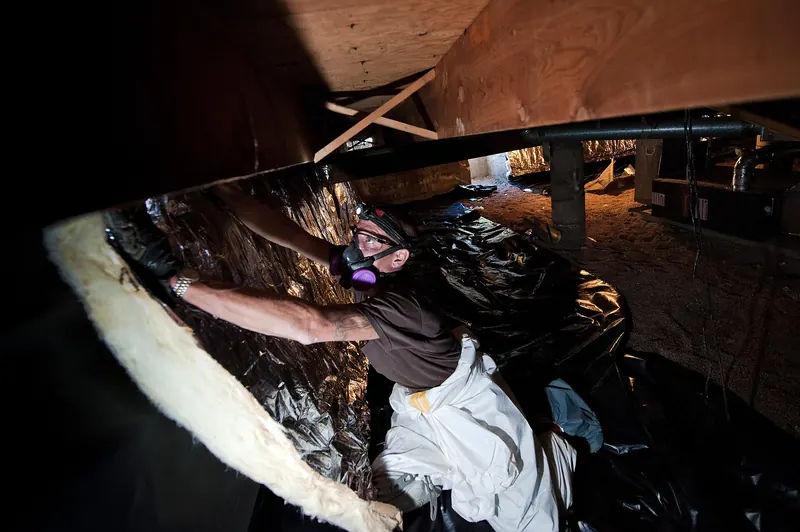
Crawl space mold removal includes cleaning joists, insulation and subfloor and correcting the damp conditions feeding the growth.
See crawl space mold removal
Hidden mold remediation locates and clears hidden mold behind wall surfaces, beneath flooring and over ceilings where it is out of view.
See hidden mold remediation (behind walls)
After the leak source is identified, mold is cleaned from every ceiling, wall and attic space reached by a roof leak.
See mold after a roof leak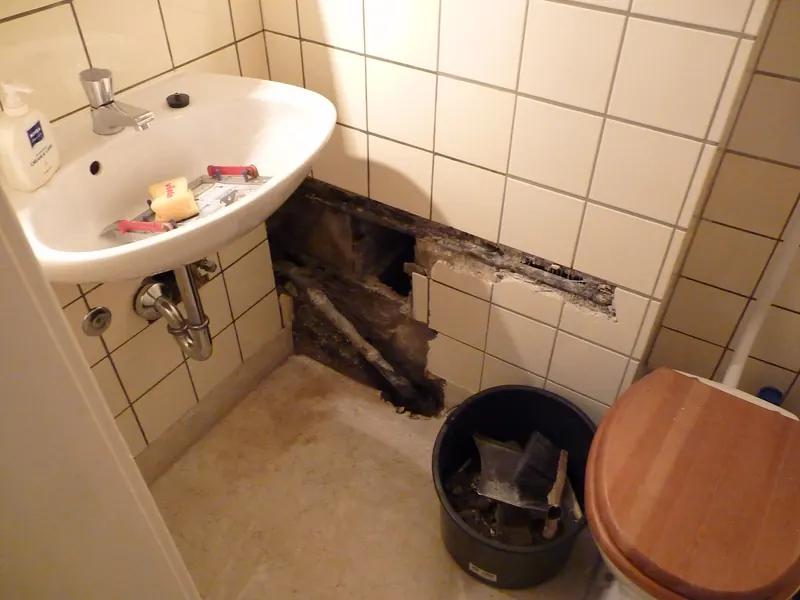
Whether water came from a slow drip or from a burst pipe, plumbing leak mold is cleared from wet cabinets, wall surfaces and floors.
See mold after a plumbing leak or burst pipe
Wood framing mold removal clears growth from studs, rafters and joists, allowing the structure to dry out before sealing.
See wood framing mold removal (joists, studs, rafters)Mold may grow on dust, paper facing and nearby materials even though glass fibers do not feed it. Moisture can remain against framing, sheathing or drywall when fiberglass is wet. An inspection should separate materials that can be cleaned and dried from those requiring removal.
Yes. Blocked ventilation paths, condensation and roof leaks can damage nearby sheathing and attic insulation. The process should fix the source, take out damaged porous material, clean open surfaces and confirm interior drying. Required ventilation paths need to remain open when replacement insulation is installed.
Condensation, exterior water, a pipe leak or a roof leak can soak an enclosed cavity ahead of any visible stain. A musty smell, peeling paint or softened drywall can support using moisture mapping. Containment needs planning ahead of opening a large section.
Cleaning porous insulation frequently gives unreliable results. To expose hidden framing, sheathing and drywall for inspection, drying and cleaning, removal of affected cellulose, fiberglass batts or blown-in insulation may be needed. The decision depends on material condition, water source and the size of the affected area.
No. You should not ignore a wet cavity even when it contains mold resistant insulation board or mold resistant insulation. Dust can support growth, along with wood and the facing on drywall. Leak repair and vapor control still matter, along with ventilation and indoor humidity below 60 percent.
Mold growth may be supported by moisture and dust in insulation, while surrounding paper facing, wood and drywall may also be affected. Roof leaks, plumbing leaks, condensation and high humidity increase the risk. Start by correcting the moisture source, then proceed with removal, cleaning or replacement.
For calm and useful guidance about insulation mold removal, you can reach someone by phone 24 hours a day.