
Mold Remediation
Mold remediation contains and removes mold growth, cleans the affected space and corrects the moisture source behind the problem.
See mold remediationPlan removal, drying and repair in Agoura Hills. Correct the moisture source before replacing drywall, flooring or finishes.
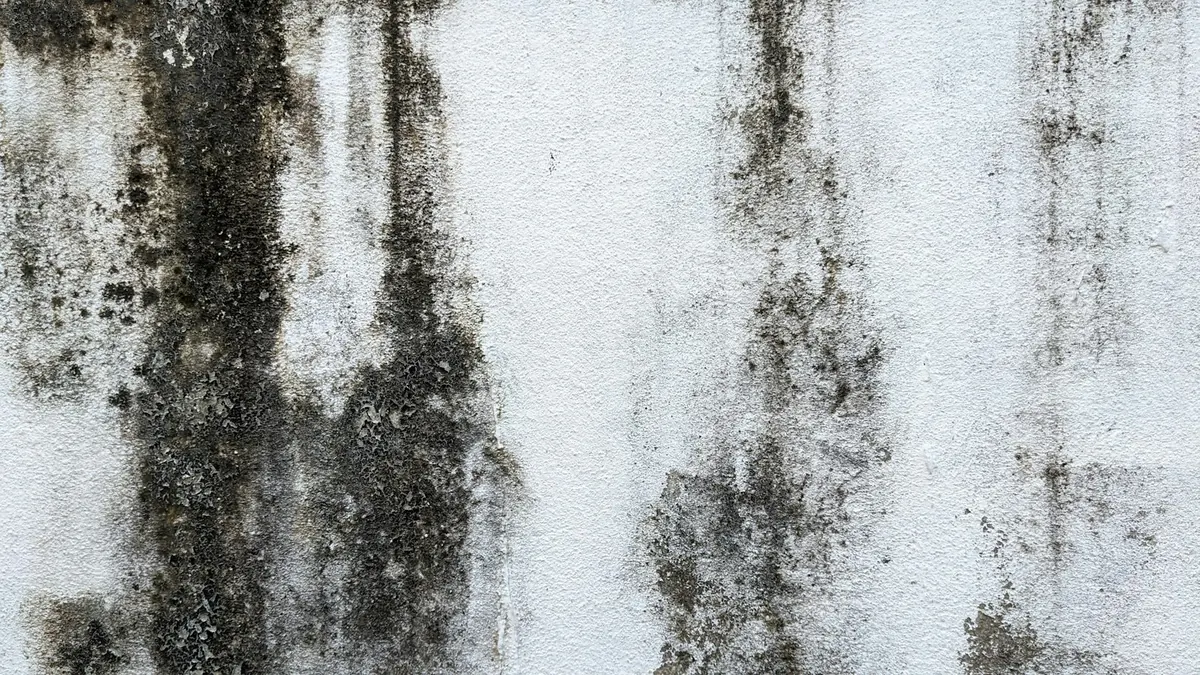
Mold removal and restoration brings repair together with managed cleanup and drying.
Affected materials and the moisture source are found during a damage assessment. The resulting scope needs distinct sections for reconstruction and mold removal.
Work may include containment, surface cleaning, drying, drywall replacement, insulation replacement, flooring replacement and painting. You may use a restoration contractor for the rebuild after remediation.
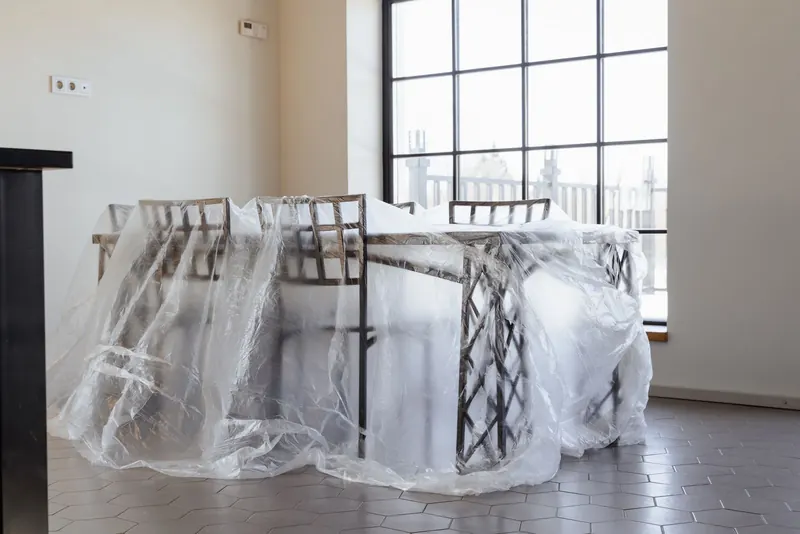
Choose an assessor who is independent. Rebuild only after the area is clean and dry.
Learn how airflow is controlled and how belongings, pets, people and clean rooms stay protected.
Learn how drying decisions use readings and how correction will address the source.
Your scope should list hidden-damage changes and removal limits, along with repairs and drying goals.
Materials that cannot be dried and cleaned need repair.
Wet flooring may hold moisture. Your checks should cover underlayment, subfloor and baseboards.
Use a room plan to define containment, removal limits and drying goals.
You may need to remove soft drywall. Make sure the cavity is dry before replacement and repainting.
For mold growth prevention, EPA guidance calls for water-damaged items and areas to be dry within 24 to 48 hours.
Do not disturb growth, and safely shut off the source of water.
Call (844) 352-3560Different scopes have different published ranges. Damage repair after remediation is listed by Bob Vila from $2,000 to $20,000. Severe restoration is listed by Fixr from $10,000 to $20,000. For mold damage repair involving cabinets, flooring, carpet and drywall, Fixr gives $75 to $3,000.
The figures are published national cost guide ranges, not results of a property visit. An on-site assessment determines the price for your property, and you should receive an explanation before the work begins.
Ask about cost: (844) 352-3560Coverage depends on the policy and cause. Coverage treatment may differ between sudden water events and long-term leaks.
California's Toxic Mold Protection Act includes a landlord written-disclosure section (Health and Safety Code 26147). By its own wording it applies only after the state adopts mold exposure standards, and the state health department has said it could not set them. Save the repair documents, scope, moisture readings and clearance record.
Ask whether cleanup and repairs are covered and whether a mold sublimit applies.
Save your remediation protocol, photos, moisture records, and the scopes for removal and reconstruction.
Under California's housing law, visible mold found by a health officer or code enforcement officer can make a rental substandard. Renters can contact their local health or code enforcement department to ask for an inspection. Document the leak and work access in messages, and keep photos with dates.
Mold remediation begins with assessment and continues through reconstruction.
Chart growth and moisture locations. Choose the removal boundaries and targets for drying.
Use poly sheeting to close openings and keep airflow within containment.
The cleanup crew wears protective equipment. Containment should enclose all drywall removal.
Particles are captured with a HEPA vacuum. Cleaning may use wire brushing.
Use a dehumidifier and air movers to aid drying. Use moisture readings for repair timing.
Clearance testing and post-remediation verification should be completed by an independent assessor.
The materials named in your repair scope can be replaced after remediation and drying.

Phone at any hour. Talk with a mold damage restoration specialist about what you are seeing and the steps ahead.
Opening cavities can spread particles and reveal hidden moisture.
EPA guidance calls for experienced help and suitable protective equipment.
A moisture meter finds damp material. You cannot identify mold through thermal imaging.
Use poly sheeting with negative air pressure to help restrict moving dust.
Can you clean it yourself? Areas under about 10 square feet can often be cleaned by the homeowner. Larger growth requires experienced help, as do contaminated water and HVAC involvement.
Material that is sound and cleanable can stay after drying. Take out anything too damaged to save.

California has no state license or certification for mold assessors or remediators, according to the California Department of Public Health. General construction work above a small dollar amount does need a license from the Contractors State License Board (CSLB), so it is worth checking a contractor's license there and asking about their mold training. Ask about permits for reconstruction, demolition, plumbing or electrical work.
Fix the water problem and dry water-damaged areas and items within 24 to 48 hours to prevent mold growth.
Indoor mold levels are not subject to a federal limit. Your decisions should focus on the affected materials and moisture.
The California Department of Public Health (CDPH) Air Quality Section publishes mold and dampness guidance and a mold FAQ. CDPH says visible mold, dampness, and mold odor are unhealthy and should be fixed, and that routine mold testing is not needed when mold is visible. Find out what requirements apply to your property and planned repairs.
The schedule depends on correcting moisture, removal, drying, clearance and reconstruction. Any early timeline is preliminary.
The full mold damage restoration guide covers what is cleaned or removed, odor and air quality work, and the rules that apply in California and Los Angeles County.
Read the full mold damage restoration guidePlanning for moisture control, containment and mold cleanup can be influenced by local humidity, housing and property access.
Only 18 percent of homes in Agoura Hills are renter occupied, so many residents may be able to arrange leak repairs and mold removal directly for their own property.
The median home in Agoura Hills was built in 1979, so plumbing joints, roof penetrations, insulation, and lower level moisture should be checked when mold appears.
With 87 percent single-family housing, moisture may travel from a roof, foundation, or plumbing line into hidden areas beyond the first room showing mold.
With 14 percent of seniors living alone, regular checks under sinks and around ceilings can still help reveal moisture before mold spreads behind materials.
Your call can include questions about mold cleanup availability in close-by communities and ZIP codes.
Mold remediation contains and removes mold growth, cleans the affected space and corrects the moisture source behind the problem.
See mold remediation
Removing surface and material growth, bagging items beyond saving and preparing the area for repairs are all part of mold cleanup.
See mold cleanup
Water damage mold cleanup clears growth left by flooding or a leak, then dries the building materials to prevent a return.
See water damage mold cleanup
Wall and drywall mold removal opens the affected surface, removes damaged drywall and cleans framing within the wall before replacement.
See wall and drywall mold removal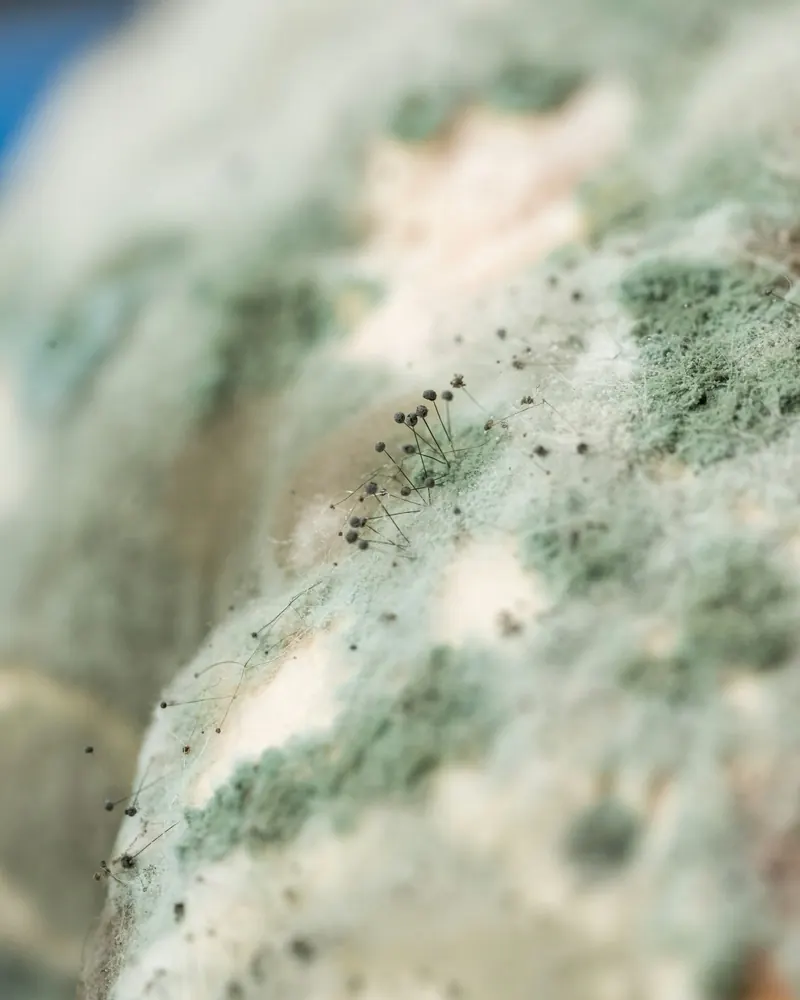
During subfloor mold removal, affected flooring and carpet are either cleaned or replaced after the underlying moisture source is addressed.
See floor and subfloor mold removal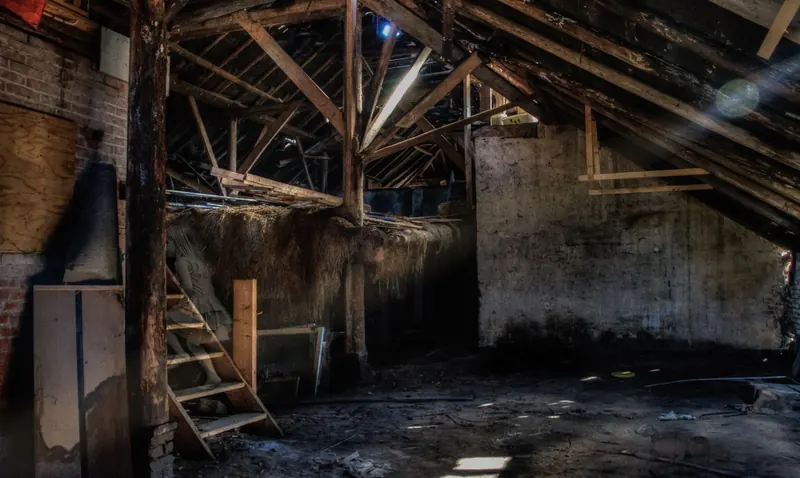
Insulation mold removal takes out wet or moldy insulation in attics, walls and crawl spaces so it can be replaced after cleaning.
See insulation mold removal
After removal, mold clearance testing combines air sampling with visual examination to confirm cleanliness in the affected area.
See mold clearance testing
This page explains what affects mold removal cost, such as the size of the area, the materials involved and any repairs needed.
See mold removal costLook for visible growth, recurring stains, soft drywall, warped flooring and persistent musty odor near roofs, windows, plumbing and HVAC equipment. A mold inspection may add moisture readings. Thermal imaging may guide closer checks, but it cannot identify mold by itself.
First, correct the moisture source. Under containment, take out unsalvageable material before cleaning and drying the surfaces that remain. Complete required post-remediation verification before carefully replacing flooring, finishes, insulation, baseboards and drywall, while keeping any damp or moldy material uncovered.
Controlled removal is combined with repair and rebuild work during mold restoration. Work in the affected area includes containment, removal of damaged material, cleaning of surfaces that remain and structural drying. The moisture source must be corrected before replacing drywall, insulation, flooring or trim.
EPA guidance recommends experienced help if sewage or contaminated water is present, growth exceeds about 10 square feet, HVAC equipment could be affected, or water damage is extensive. Work needing hidden-cavity access, broad containment or controlled demolition also calls for help.
Coverage varies according to your policy and why the loss occurred. Coverage may apply if mold follows a water event that is covered, sudden and accidental. Long-term leaks, repeated humidity and neglected maintenance are commonly excluded. Ask if your claim is subject to documentation rules or a mold sublimit.
Clearance, leak repair and the affected area shape timing, as do reconstruction, containment, removal and drying. Hidden damage can change the sequence. Instead of accepting a pre-inspection fixed promise, ask for milestones that address final cleaning, removal, moisture checks, the repair and rebuild, and verification.
Calls about mold damage restoration are answered 24 hours a day, so you can receive clear and practical guidance.